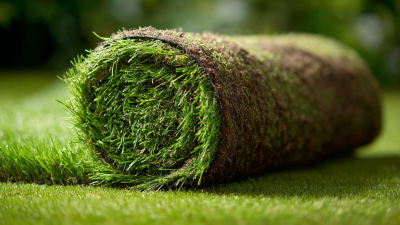
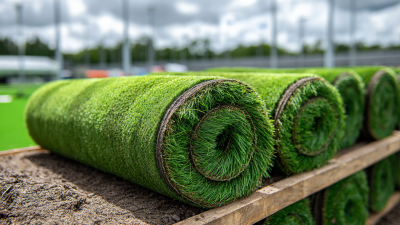
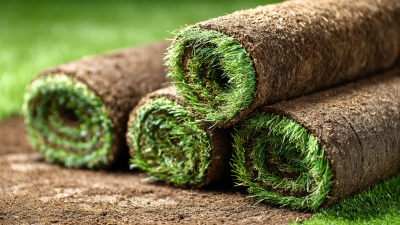
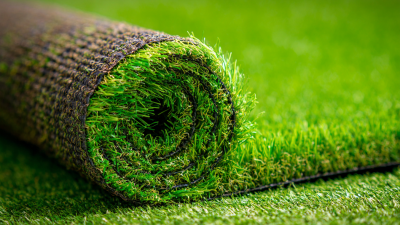
Picking the right Turf Rolls can totally transform your lawn into a lush, green oasis that’s just begging to be enjoyed. Not only do these rolls boost your yard’s visual appeal, but they also give you a soft, cozy spot for outdoor fun — whether it’s a weekend barbecue or just relaxing with a good book. But here’s the thing: a lot of folks jump into choosing turf without considering some key details. It’s not just about the color or the brand — quality really counts, too.
When you're shopping around, think about what kind of grass will do best in your climate. Some types thrive in direct sunlight, while others prefer the shade—so it’s worth figuring out what suits your yard best. Also, don’t forget to look at the density and durability of the rolls. Heavier, denser turf tends to last longer, meaning you won’t need to replace it as often. If you’re into working out at home, mixing turf with other flooring, like those Gym Rubber Rolls fromthis one, can really help create the perfect workout spot.
And keep in mind, not all turf rolls are created equal. Some might need a bit more TLC, so it pays to read reviews or ask for recommendations. Honestly, it can feel a bit overwhelming — don’t stress. Take your time with this. Your lawn deserves the best, and with a little patience, you’ll end up with something you’ll love for years to come.

Understanding Different Types of Turf Rolls: A Comprehensive Overview
Choosing turf rolls for your lawn can be daunting. There are various types, each suited for different purposes. Understanding these varieties helps ensure you pick the right one.
One popular type is Kentucky bluegrass. It is vibrant and resilient. This grass thrives in cooler climates. It has a rich green color and spreads quickly. However, it requires regular maintenance. This can be a drawback for busy homeowners.
Another common choice is fescue grass. It tolerates heat and drought better. Fescue has a coarse texture that may not appeal to everyone.
If you’re looking for low-maintenance options, consider sod. It establishes quickly and fills bare patches effectively. However, it may lack the lush feel some desire. It's important to weigh the pros and cons of each type. Not all turf rolls will suit your specific needs. Make sure to assess your lawn conditions before making a decision.
Evaluating Soil Conditions for Optimal Turf Roll Selection
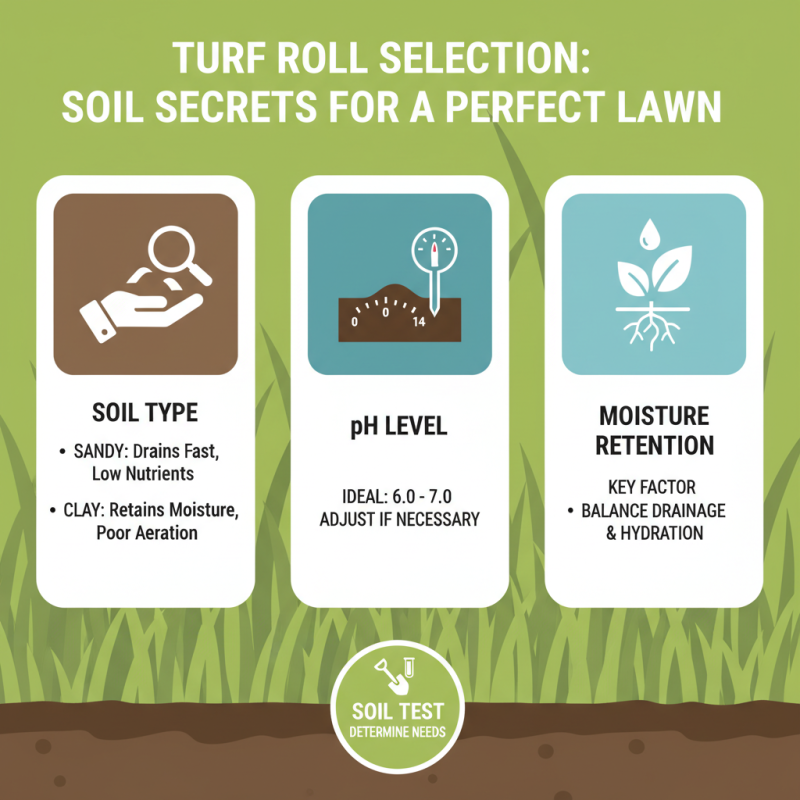
Evaluating soil conditions is crucial when selecting the best Turf Rolls for your lawn. Soil type, pH, and moisture retention are key factors to consider. Research shows that sandy soils drain quickly but often lack nutrients. Clay soils retain moisture but can lead to poor aeration. A soil test helps determine your soil's composition and needs. For example, a pH level between 6.0 and 7.0 is ideal for most turf grasses, making it vital to adjust if necessary.
Another important aspect involves checking moisture levels. Turf rolls require consistent moisture to root effectively. If your soil is too dry or too wet, it can lead to unhealthy grass. According to industry reports, over 30% of new turf installations fail due to improper soil conditions. Recognizing signs of poor drainage is essential. You might see pooling water or even patches of unhealthy grass. These can be indicators that the soil needs treatment or amendment.
Maintenance is also an ongoing concern. Soil compaction can hinder root growth, affecting the grass's health. Regular aeration can alleviate this issue. However, even with proper care, your choices in turf rolls can make a significant difference. Selecting a type suited for your soil condition can prevent future problems. Remember, one size doesn't fit all.
Assessing Climate and Weather Patterns When Choosing Turf Rolls
When selecting turf rolls for your lawn, climate and weather patterns play a crucial role. Different grasses thrive under specific conditions. For instance, warm-season grasses flourish in southern regions, while cool-season varieties are ideal for northern climates. According to a USDA report, regions with temperatures above 70°F favor zoysia grass, known for its heat tolerance.
Rainfall is another key factor. Areas with less than 30 inches of annual rain demand drought-resistant grasses. A 2021 study from the Lawn Institute shows that areas experiencing higher drought frequencies should consider buffalograss for its resilience. Many homeowners underestimate how local weather can impact lawn health. This oversight leads to dissatisfaction with their turf choices.
Soil type matters too and interacts with climate. Sandy soils drain quickly, while clay retains moisture. The compatibility of soil and grass types can make or break a lawn’s success. Research indicates that improper matches result in poorer growth and increased maintenance costs. Failing to assess these environmental factors may lead to regret later on. Understanding where your lawn stands can streamline the selection process significantly.
Comparing Turf Grass Varieties: Benefits and Growth Requirements
Choosing the right turf grass for your lawn can significantly impact its health and appearance. There are many varieties to consider, each with distinct benefits and growth requirements. Some grasses thrive in sunny environments, while others prefer shade. For example, Kentucky bluegrass is lush and green but needs full sun. It’s a beautiful choice, yet it demands regular care.
Bermudagrass is another popular option. It grows quickly and offers durability. This makes it perfect for high-traffic areas. However, it struggles in shaded spots. A less common choice, fescue grass, adapts to cooler climates and offers shade tolerance. It requires less water compared to other varieties, which is an added advantage. Yet, it may not have the same lush look as Kentucky bluegrass.
When deciding on turf rolls, consider your local climate. Soil type also plays a role in growth. Some turf grasses may require more maintenance. This leads to ongoing costs. Reflecting on these factors will guide you to the best choice for your lawn. Select wisely and consider both beauty and practicality.
Calculating the Cost-Effectiveness of Turf Rolls for Your Lawn
When considering turf rolls for your lawn, you may wonder about cost-effectiveness. Turf rolls can vary in price depending on the quality and type. It's essential to calculate your overall budget. Determine how much space you need to cover. This helps in estimating the number of rolls required.
In addition, think about maintenance costs. Some turf materials require more care than others. Watering, mowing, and fertilizing can add up. Rubber Floor Rolls are also an interesting alternative for specific areas. They provide a unique look and feel, yet they come with their pricing challenges. weigh the pros and cons carefully.
It's crucial to reflect on your expectations. Do you want a lush green lawn or a surface that requires less upkeep? The initial expense might be tempting, but remember longevity matters. Investing in quality now can prevent future costs. Take your time and choose wisely.
Installing Turf Rolls: Techniques for Maximum Longevity and Health
When installing turf rolls, proper techniques can ensure lasting health and vitality. A critical aspect is the base preparation. Research shows that a well-graded soil base is essential for drainage and turf growth. A compacted layer beneath the turf can lead to poor water flow. It’s vital to avoid common mistakes, such as neglecting to amend soil. Plants need nutrients to thrive, and without them, you might see patchy growth.
While laying your turf rolls, proper alignment is crucial. Turf seams should fit tightly without overlapping. This prevents grass from becoming uneven or stressed. Additionally, experts recommend watering immediately after installation. Studies indicate that fresh turf requires moisture to establish roots effectively.
Over time, you might need to reevaluate your turf’s health. Regular maintenance is necessary, but so is cautious monitoring. Sometimes, too much or too little water can lead to deterioration. To some, using Rubber Rolls Gym Flooring in high-traffic areas might seem impractical. However, this option can protect the turf when carefully applied. The key is striking a balance between aesthetics and functionality. By being attentive, you can enjoy a lush lawn for years to come.
How to Choose the Best Turf Rolls for Your Lawn? - Installing Turf Rolls: Techniques for Maximum Longevity and Health
| Turf Type | Growth Rate | Sun Requirement | Durability | Maintenance Level |
| Bermudagrass | Fast | Full Sun | High | Moderate |
| Fescue | Moderate | Partial Shade to Full Sun | Moderate | Moderate |
| Kentucky Bluegrass | Slow | Full Sun | High | High |
| Zoysiagrass | Moderate | Full Sun to Partial Shade | High | Low |
| Ryegrass | Fast | Full Sun | Moderate | Moderate |
Maintaining Your Lawn: Care Tips for Different Turf Types
Maintaining your lawn is crucial for its beauty and health. Different turf types require specific care techniques. For instance, cool-season grasses thrive in temperate areas, while warm-season grasses favor sunny climates. Understanding your local climate is essential before making any lawn decisions.
Tips to Care for Cool-Season Grasses: These lawns benefit from regular watering in early morning. Mowing often keeps them healthy. Ensure your mower blades are sharp. This reduces wear on the grass. Too much thatch can damage roots. Aerate your lawn annually to relieve soil compaction.
Tips for Warm-Season Grasses: These turf types need less water during the cooler months. Conversely, they require more attention during summer. Monitor for pests regularly. Early treatment can prevent widespread damage. Always test your soil. Knowing its composition can dictate how you nourish your grass.
Whichever turf you choose, be vigilant with care. Keeping detailed notes helps track what works and what doesn't. Wholesale High Quality Rubber Flooring Rolls can be a unique addition to garden edges. However, their implementation should not compromise lawn health. Always reflect on your choices.
Exploring the Benefits and Applications of Durable Rubber Flooring Sports Mats for Athletes and Fitness Enthusiasts
Durable rubber flooring sports mats are essential for athletes and fitness enthusiasts, providing an array of benefits that enhance performance and safety in various environments. One of the standout products in this category is the advanced rubber roll, crafted from high-quality EPDM powder and crumb. This flooring solution is designed using cutting-edge technology, ensuring that it offers superior resilience and durability compared to traditional options. Its unique molding and spiral-cutting process enhances its performance characteristics, making it an ideal choice for heavy-duty applications, such as in gyms and training facilities.
Among the key advantages of these rubber flooring mats are their excellent friction, cushioning, and load-bearing capacity. This makes them perfect for high-impact activities, such as weightlifting, where athletes require a stable yet forgiving surface to prevent injuries. Available in various thickness options—from 4mm to 20mm—these mats can be customized further with additional shock-absorbing layers, providing exceptional support for extreme conditions. Maintenance is also simplified, allowing fitness enthusiasts to focus on their training rather than the upkeep of their flooring. Overall, the benefits and applications of durable rubber flooring sports mats make them a top choice for anyone serious about fitness and performance.
FAQS
: Climate and weather patterns are crucial factors.
Warm-season grasses are ideal for southern climates.
Drought-resistant grasses like buffalograss are recommended.
Sandy soils drain quickly; clay retains moisture and affects grass growth.
Underestimating weather impacts can lead to poor turf choices and dissatisfaction.
Improper matches can result in increased maintenance costs and poor growth.
Kentucky bluegrass needs full sun and demands consistent maintenance.
Fescue grass tolerates shade and requires less water, but not as lush.
You may face regret later on regarding lawn appearance and upkeep.
Some grasses require more care, leading to ongoing costs over time.
Conclusion
Choosing the best turf rolls for your lawn involves a comprehensive understanding of various factors. Start by familiarizing yourself with the different types of turf rolls available, considering their specific growth requirements and how they interact with your soil conditions. It is essential to assess the climate and weather patterns in your area, as these elements significantly influence the success of your turf grass varieties.
Next, evaluate the cost-effectiveness of the turf rolls you are considering, ensuring that you balance pricing with longevity and maintenance needs. Proper installation techniques are crucial for maximizing the health and durability of your turf rolls. Finally, ongoing maintenance tailored to the specific grass type will keep your lawn looking its best. By integrating these considerations, you can make an informed decision that will lead to a vibrant, healthy lawn.